Method
Parodying, Extrapolating, Hybridizing the Tool
Experiment – 1
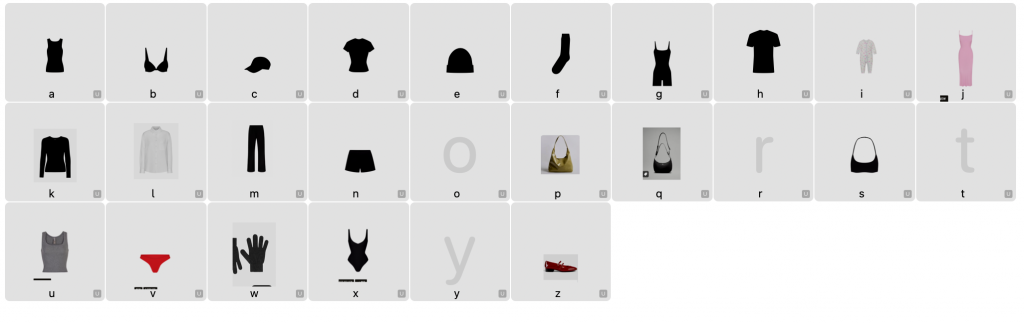
The essence of typography as a tool is pairing—assigning 26 shapes to 26 empty spaces.
Experiment – 2
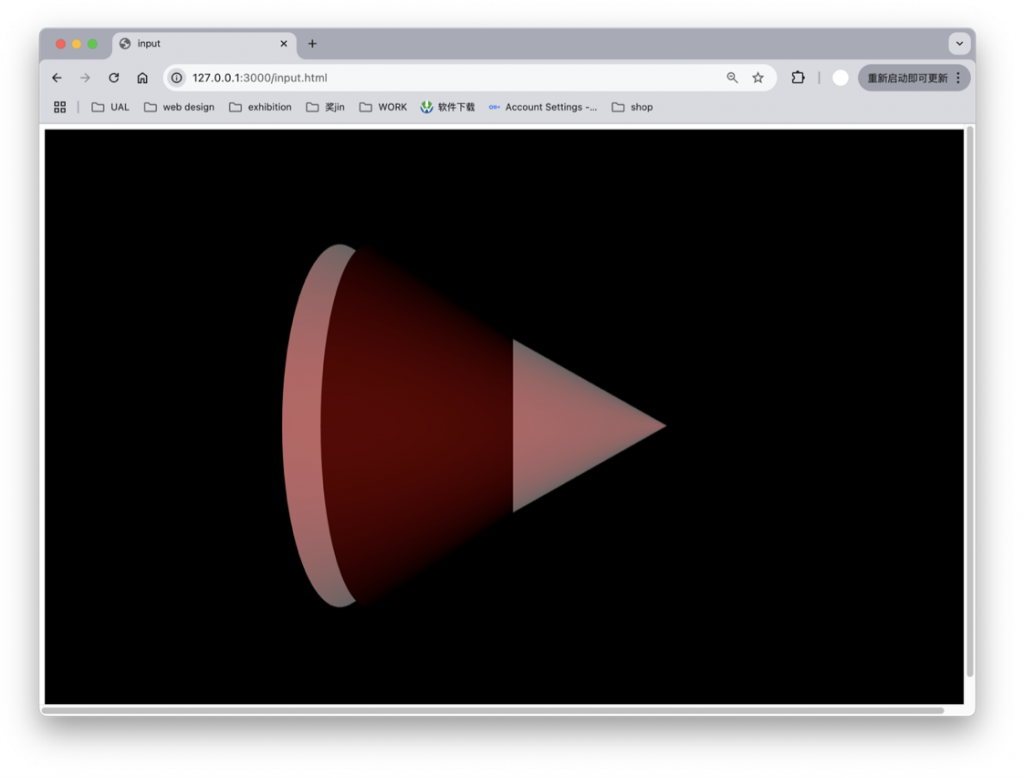
The essence of a website is continuous real-time interaction. Take a clock as an example—its display constantly updates, responding to time in an ongoing process, just as a website continuously reacts to user input and system changes.
Experiment – 3
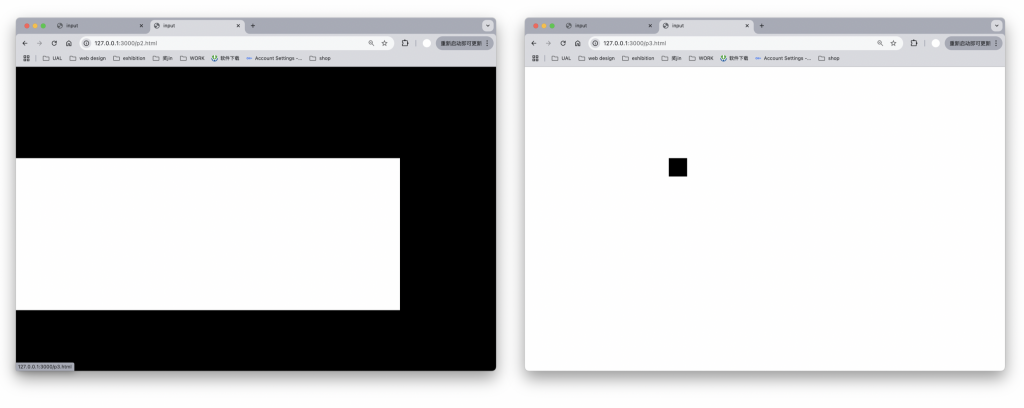
Margin represents the logic of layout, and the essence of layout is placing one content on top of another. Typically, the background is white, while the foreground contains images or text. By reversing these layers—placing images beneath and the background on top—I emphasize the fundamental structure of layout itself.
Experiment – 4
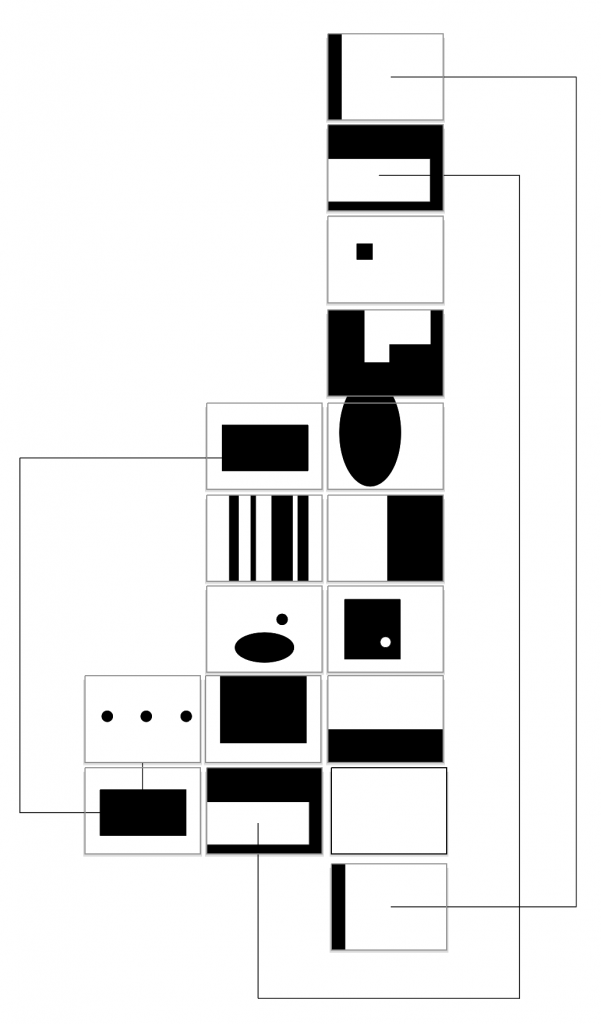
The essence of a hyperlink is a gateway that connects two spaces, functioning as both a door and a window between them.
Reference
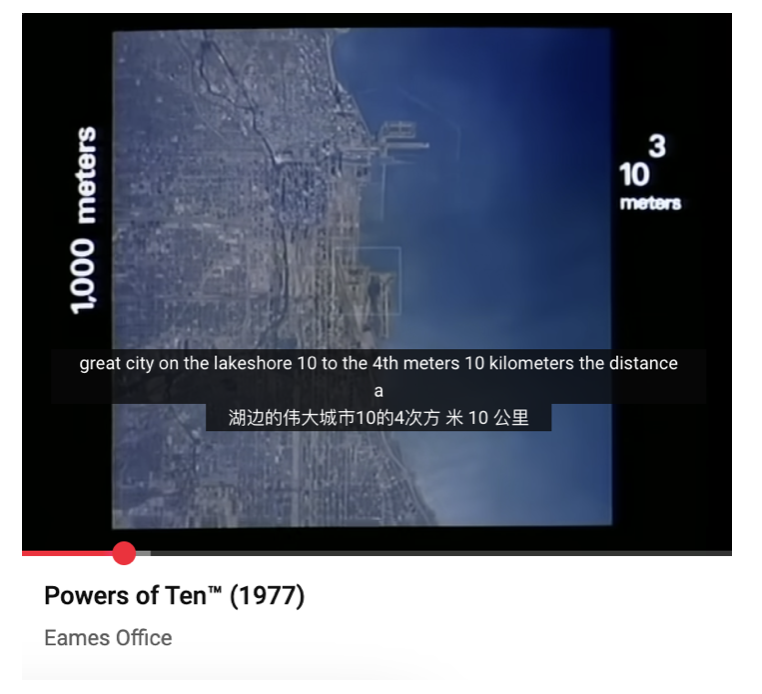
Power of Ten is a key reference at this stage, as its methodology (zooming in and out) and content (the transition from macro to micro) align closely with my study. Here, zooming itself becomes a perspective, shaping how we perceive scale and relationships.
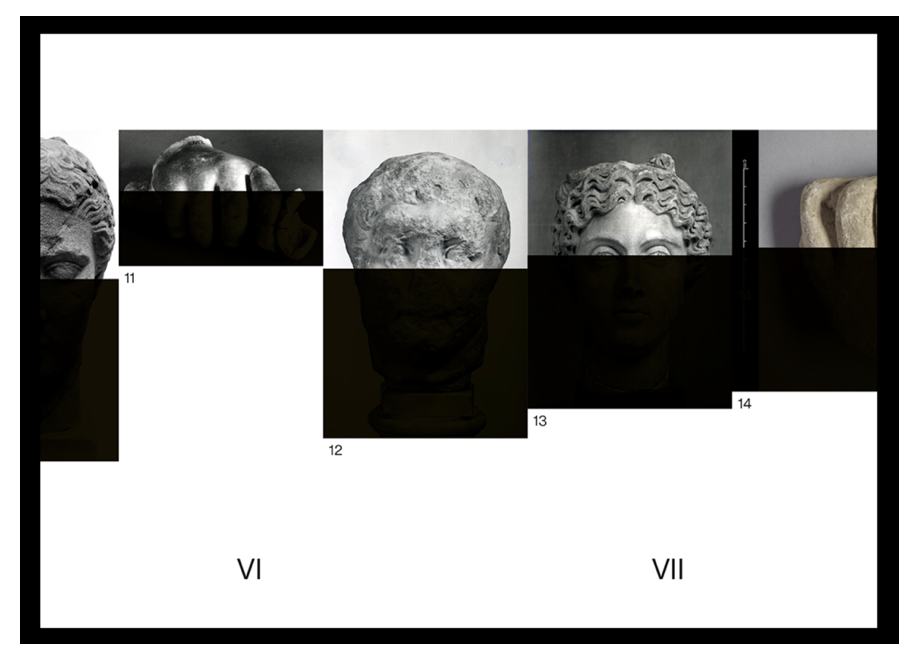
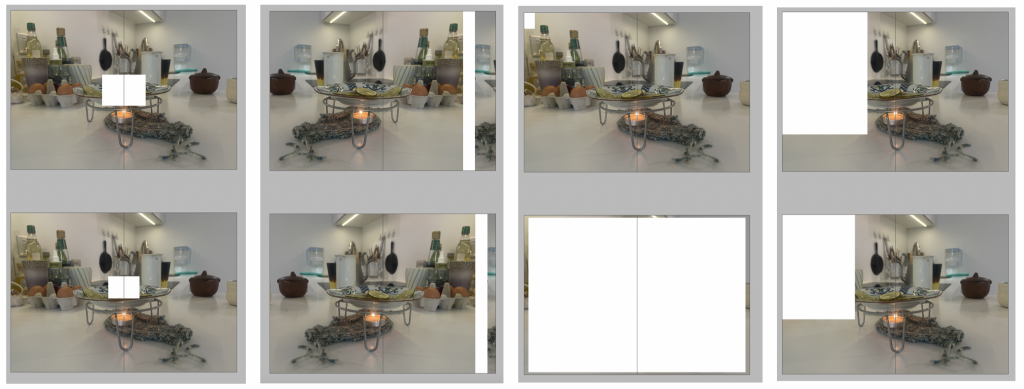
This book is the final entry in a competition called “7.45 Books.” The designer conveys the idea of “0.45 of a book” by obscuring 55% of the images. At the same time, he deliberately selects photographs of historical artifacts, emphasizing that our understanding of history can never be 100% complete.
This is another case where tool and content are highly aligned. Like Power of Ten, which explores zooming as both method and perspective, this project uses layering as both a technique and a conceptual statement—both works reflect on their own conceptual frameworks.